July 5, 2026
Lessons from Fiji
A mission trip, a village walk, and some very good reminders
By Luisa Szakacs, CNC — Marpé Nutrition
There is something refreshing about stepping away from everyday life and seeing the world through a different lens. This week, Jim and I are in Fiji on a mission trip with ten people from our church. I expected to come home with wonderful memories, new friendships, and great progress on the dormitory our team was helping build for the camp. What I didn't expect was that God would use the everyday moments of this trip to remind me of the beauty and simplicity of His design.
The village walk
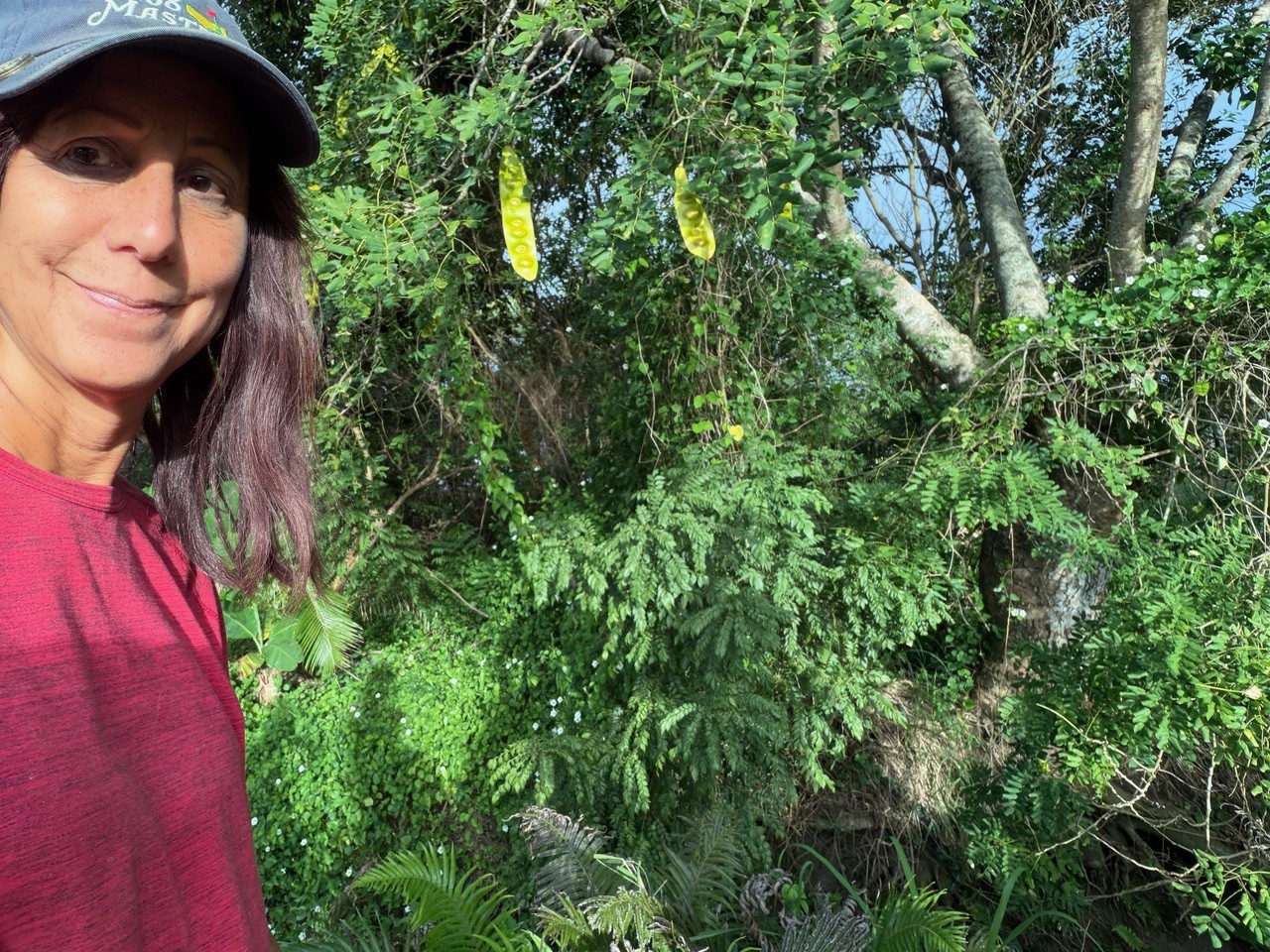
One afternoon we took what everyone here simply calls a village walk. It wasn't a tour or a planned excursion. We were simply walking through the area where people live, but to me it felt like wandering through a living garden. Everywhere we looked there was food growing. We passed avocado trees, although sadly they weren't in season, several varieties of lemon and lime trees, papaya, mangoes, bananas, coconuts, and a curry leaf tree. Beautiful Bird of Paradise flowers were at the end of the path, making the walk feel even more like paradise. I smiled when I saw the curry tree because just the day before I had used fresh curry leaves in our homemade sourdough bread. At home I usually buy herbs in a little plastic container at the grocery store. Here, they simply grow outside someone's door. It made me wonder how many children today have never seen where herbs, fruit, or vegetables actually come from. Somewhere along the way we've become disconnected from the very source of our food.
Green oranges and what they teach us
One thing that gave our whole group a laugh was the oranges. They were green! We all stood there wondering how they could possibly be ripe. We quickly learned that in tropical climates, oranges often stay green even when they're perfectly ripe and wonderfully sweet. It reminded me how often we judge food by appearance instead of quality. We've become so accustomed to perfectly colored, perfectly shaped produce lining grocery store shelves that we forget nature doesn't always fit neatly into our expectations. Sometimes what looks different is every bit as good, if not better.
Eating what grows locally
One of the things we've tried to do while we're here is eat what grows locally. Not only is it much less expensive than imported foods, but it simply makes sense. Our salads have been filled with fresh cucumbers, lettuce, tomatoes, and whatever vegetables are in season. The fruit tastes sweeter, the herbs are more fragrant, and everything seems to have so much more flavor. When food is picked close to where it's eaten instead of traveling thousands of miles to reach your plate, you really can taste the difference. It has also reminded me that every part of the world has foods that naturally grow there. Rather than expecting strawberries in December or avocados year round, perhaps there is wisdom in enjoying what is in season and appreciating it while it lasts.
Coconut water straight from the source
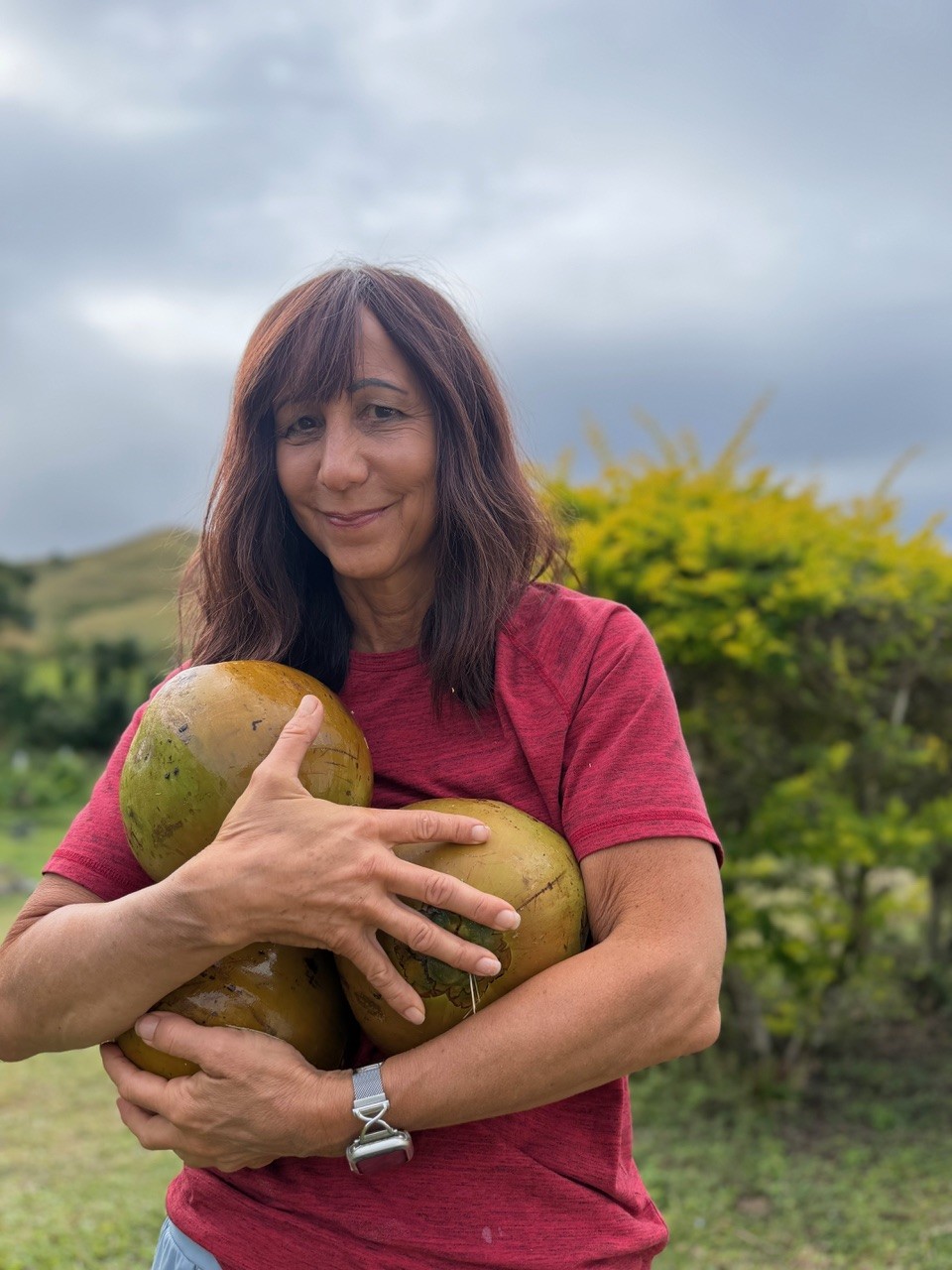
One of the things we all looked forward to each day was seeing Nadeem, our "coconut man." Armed with his ladder and sugar cane knife, he would climb the coconut trees, carefully choosing the best coconuts to harvest. With just a few skilled swings of his knife, he would open each one so we could enjoy the cool, refreshing coconut water straight from the source. After spending hours serving in the warm Fijian sun, it was exactly what our bodies needed. Rich in natural electrolytes like potassium, sodium, and magnesium, coconut water has been replenishing people living in tropical climates long before sports drinks ever existed.
But the treat didn't end there. After we finished drinking the coconut water, Nadeem would split each coconut open so we could scoop out the tender meat inside. Some of us enjoyed it right then as an afternoon snack, while others tucked it away for breakfast the next morning. Nothing was wasted. Every part was appreciated, and once again I was reminded how satisfying real food can be when it comes exactly as God created it.
A local wellness drink
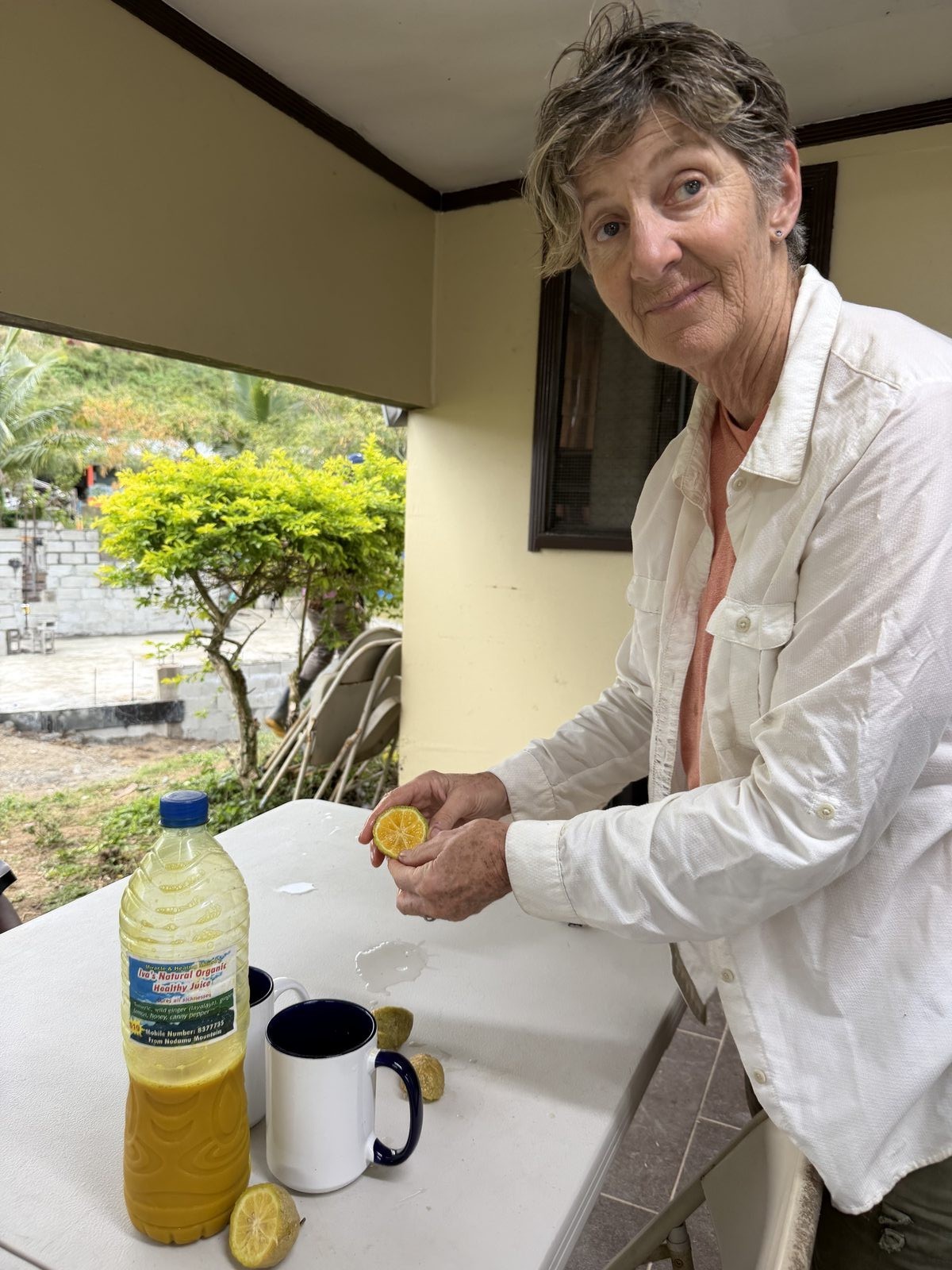
While visiting one of the local markets, I decided to be a little adventurous and bought a homemade "wellness drink." The label made all of us smile because it boldly claimed to "cure all sicknesses." I certainly wouldn't make that claim, but I appreciated what was inside the bottle. It was made from turmeric, ginger, local wild ginger, lemon, honey, and cayenne pepper. I'll be honest. It wasn't exactly delicious! Thankfully we squeezed in some fresh lemons, which made it much easier to drink. Whether or not it lived up to its ambitious label, I loved seeing local people using ingredients that grow naturally around them instead of relying on something manufactured in a factory.
What we throw away
One evening the ladies preparing dinner were just about to pour out the broth from cooking chicken. Thankfully I caught them in time! That nourishing broth became warm cups of homemade bone broth, which we especially appreciated as the evening air became surprisingly cool. It made me wonder how many nutritious foods we throw away every day simply because we've forgotten their value. Before boxed broth became common, people treasured every bit of nourishment they could get from their food. Sometimes progress has caused us to overlook simple wisdom.
The next day I noticed the same thing happening with the potatoes. If potatoes are boiled with their skins on, some of the minerals and nutrients naturally leach into the cooking water. While it is certainly not a miracle drink, that water can be used as the base for soups, added to homemade bread, used to cook vegetables or rice, or incorporated into gravies and sauces instead of being poured down the drain. Today, as another pot simmered on the stove, I found myself thinking about rice water as well. Around the world, many cultures have appreciated rice water for generations. Some use it in soups or porridges, while others have traditionally used it for hair and skin care. Once again, I found myself appreciating the wisdom of people who learned to make use of every part of the food they had instead of automatically pouring it down the drain.
Sunshine and a clothesline
Perhaps one of my favorite experiences had nothing to do with food at all. I think this may have been the first time in my life that I washed an entire load of laundry and hung every piece outside on a clothesline to dry. There were no dryers, no dryer sheets, and no scented fabric softeners. Just clothespins, sunshine, and a warm tropical breeze. Hours later, I took the clothes down and couldn't stop smelling them. There is something about laundry dried in the fresh air that no bottle has ever been able to duplicate. Then someone mentioned that the sun naturally helps brighten white clothing. Before chlorine bleach was ever invented, people simply relied on sunshine. It made me wonder how many products we've created simply because we've forgotten some of the simple ways our grandparents cared for the things they owned.
The salad that almost got away
On our last day, our team leader was cleaning out the kitchen because pizza had been ordered for the group. She began giving away the remaining food, and before we knew it, two large cucumbers were headed out the door. Whitney and I looked at each other and quickly said, "Wait! Don't give those away!" A little while later we chopped those cucumbers together with fresh cilantro, green beans, freshly grated ginger, and a generous squeeze of lemon. It became one of my favorite salads of the week. There wasn't a recipe. We simply used what we had. It was fresh, colorful, delicious, and it reminded me that some of the best meals aren't carefully planned. They are created from simple ingredients that are too good to waste.
The spirit of the people
Perhaps what impressed me even more than the food was the spirit of the people. They have far less than many of us, yet they welcomed us with genuine smiles, generous hearts, and incredible hospitality. There was joy in sharing a meal, gratitude for what they had, and very little concern about having more. They shared what they had freely, and they reminded me that contentment has very little to do with how much we own.
Going back to the basics
As I reflect on this week, I'm realizing that the lesson isn't really about Fiji. Every place has its own challenges, and every culture has something to teach us. What Fiji has reminded me of is something much deeper. We've become incredibly dependent on convenience. We expect every fruit to look identical, every vegetable to be available all year long, every meal to come together in minutes, and every household task to be accomplished with the push of a button. None of those things are wrong, but somewhere along the way we've become disconnected from where our food actually comes from and from the simple wisdom that sustained generations before us.
As a nutritionist, I spend a lot of time teaching about supplements, detoxification, inflammation, minerals, and gut health. Those topics are important, and they certainly have their place. But this week reminded me that health isn't simply about eating the right foods. It's also about slowing down enough to appreciate them. It begins with choosing foods that grow from the ground instead of being manufactured in a factory. It means eating what is in season whenever possible, wasting less, cooking more, gathering around a table, and being thankful for God's incredible provision.
"The earth is the Lord's, and all it contains, the world, and those who dwell in it."
Psalm 24:1
I have a feeling I'll return home with many wonderful memories of Fiji, but perhaps the greatest gift this beautiful island has given me is a renewed appreciation for the simple things. Wonder that oranges can be green. Wonder that curry leaves grow on trees instead of in spice jars. Wonder that fresh coconut water can replenish a tired body straight from God's creation. Wonder that bone broth, potato water, and rice water still have value. Wonder that sunshine can naturally brighten white clothes. Wonder that a handful of leftover vegetables can become one of the most memorable salads of the week.
Sometimes the healthiest lessons aren't found in a research paper or a nutrition textbook. Sometimes they're found on a village walk, under a clothesline, around a dinner table, or growing quietly on a tree.
Maybe going back to the basics isn't going backward at all.
Maybe it's simply remembering how God designed things to be from the very beginning.
Want to reconnect with the basics?
If you'd like support building a personalized nutrition plan rooted in whole foods and simple nourishment, Marpé Nutrition is here to help. Call our office at 215-450-8745 or book a consultation online.